Invisible Souls
2026
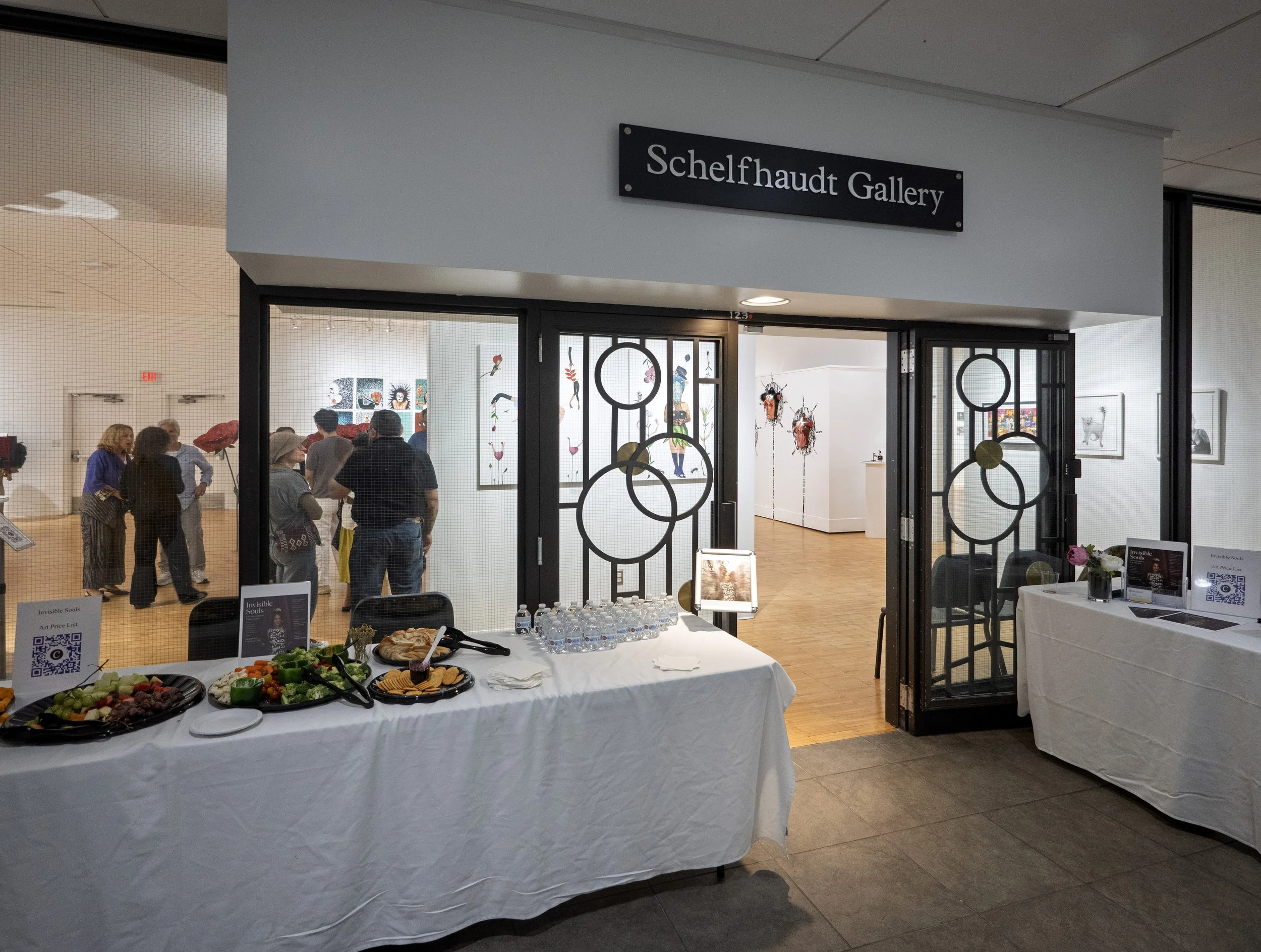
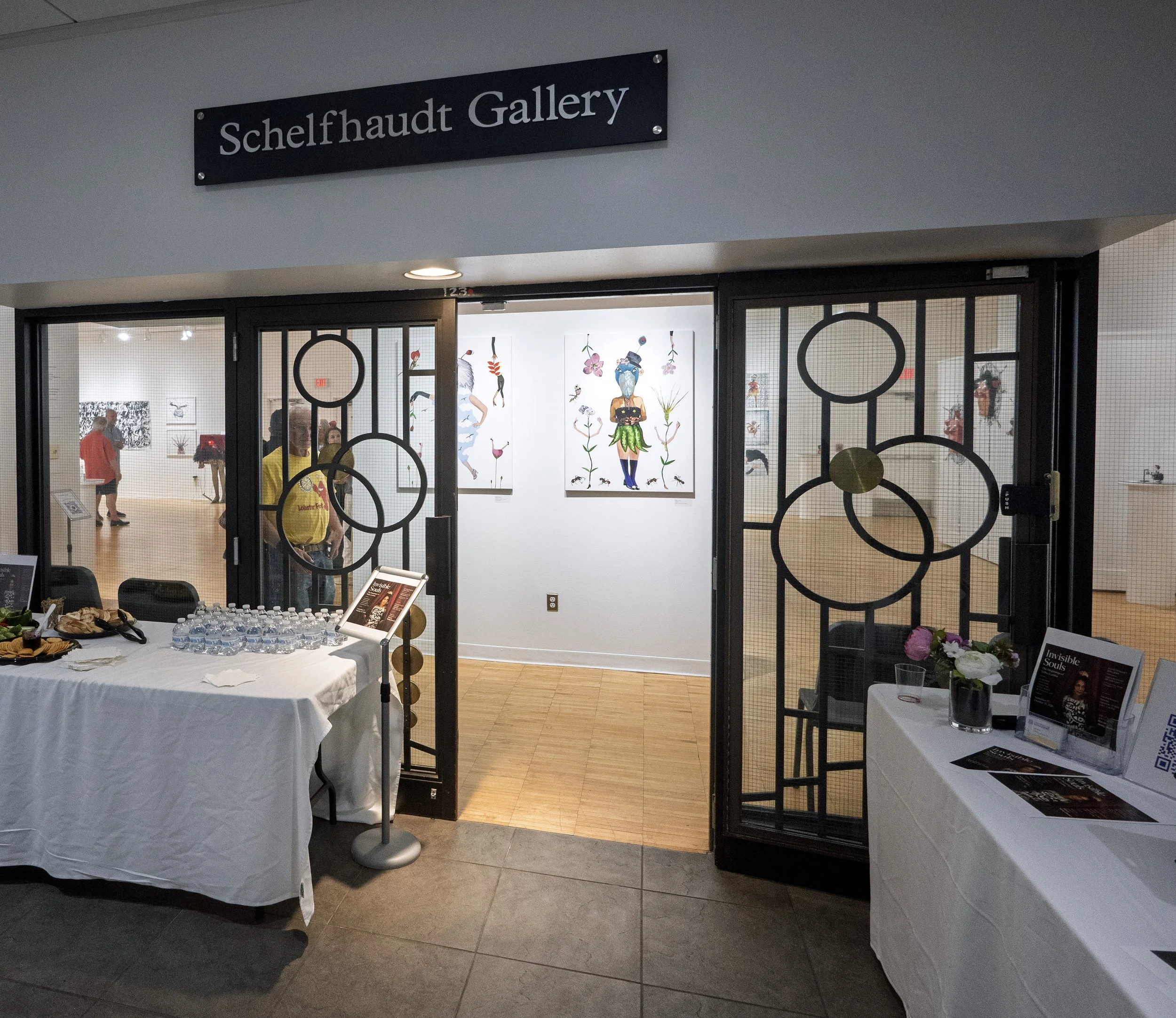
Schelfhaudt Gallery
University of Bridgeport, Connecticut
September 13–October 25, 2026
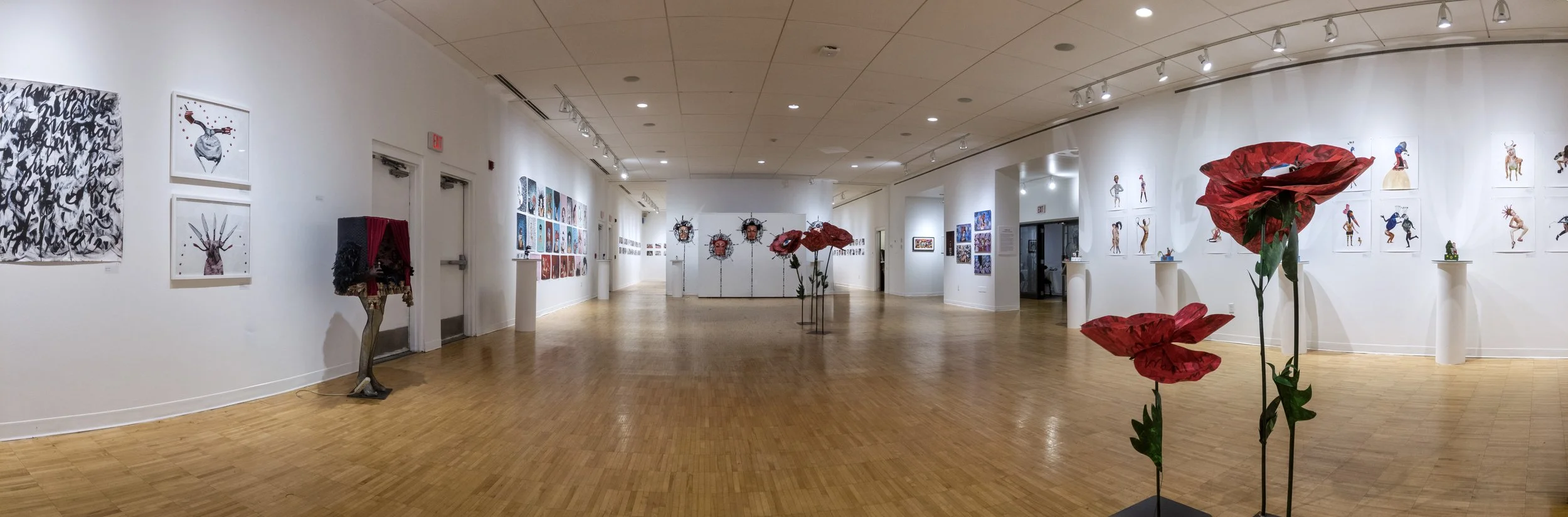
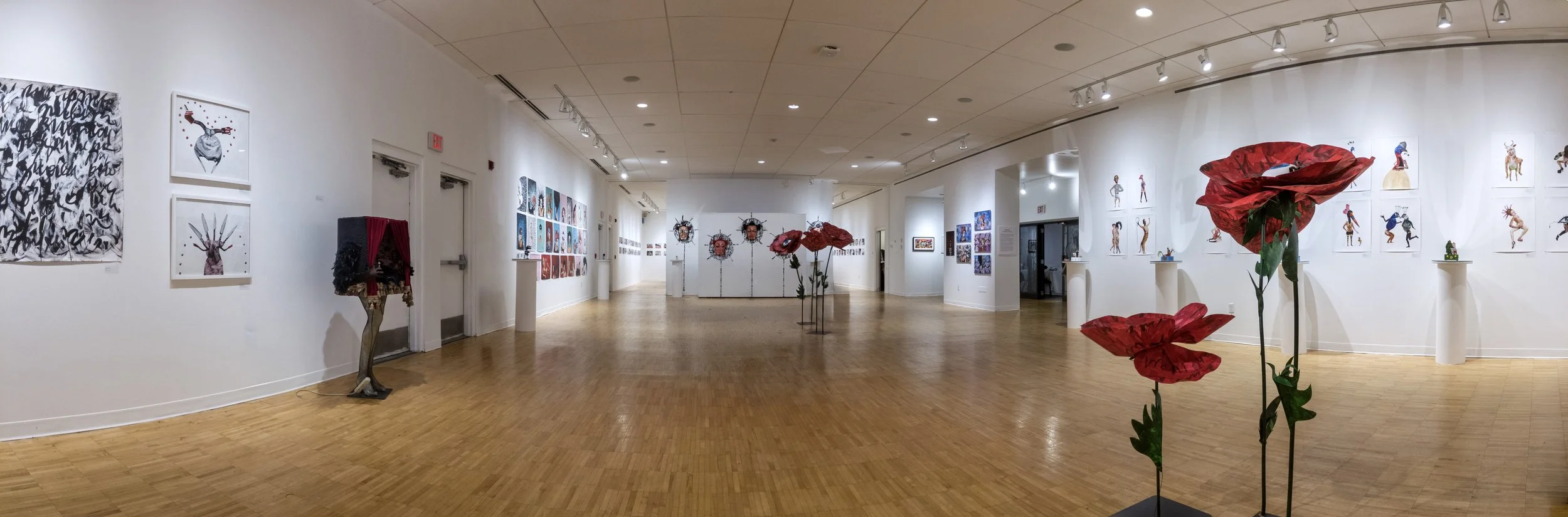
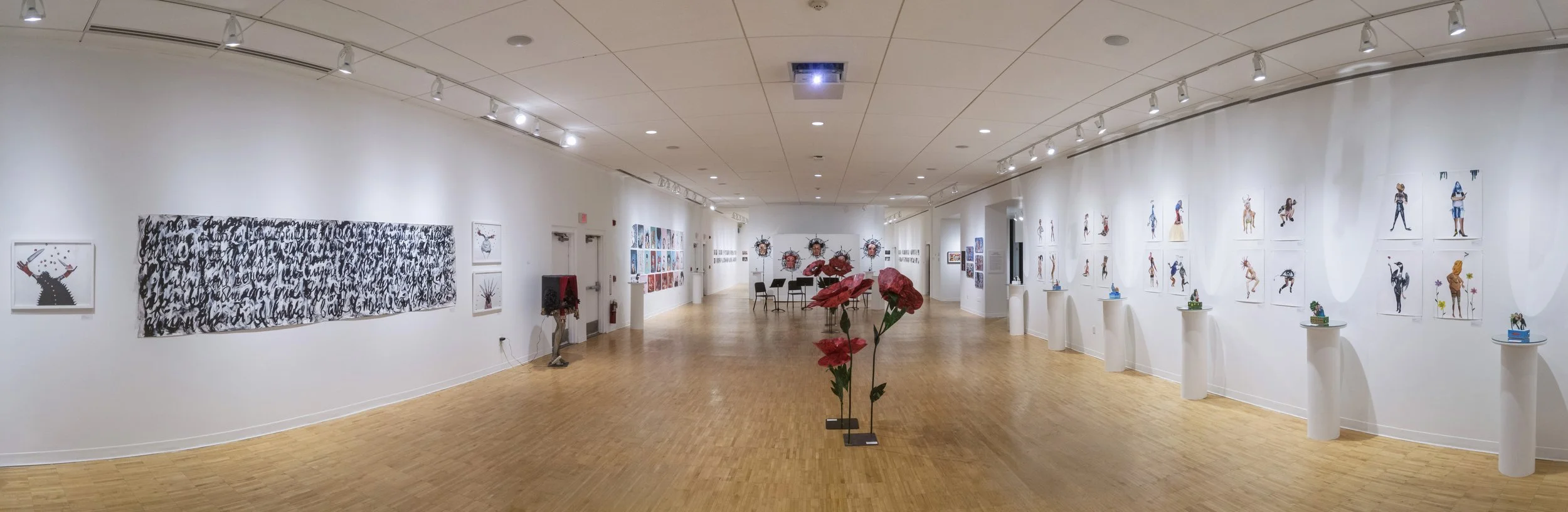
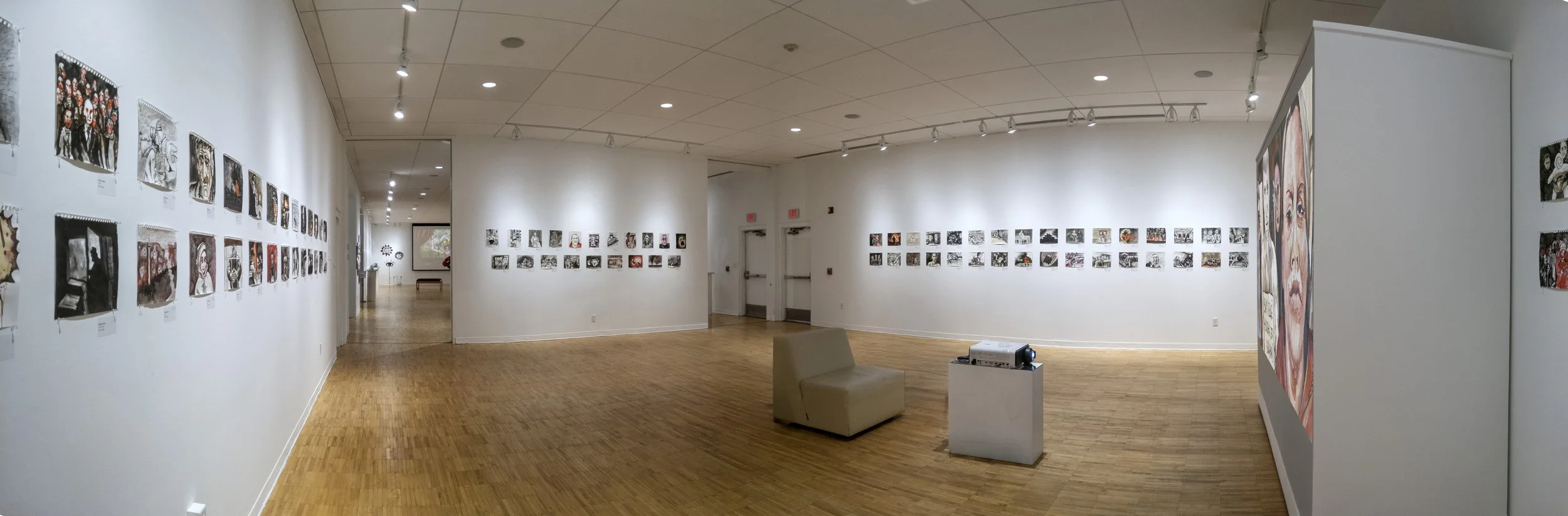
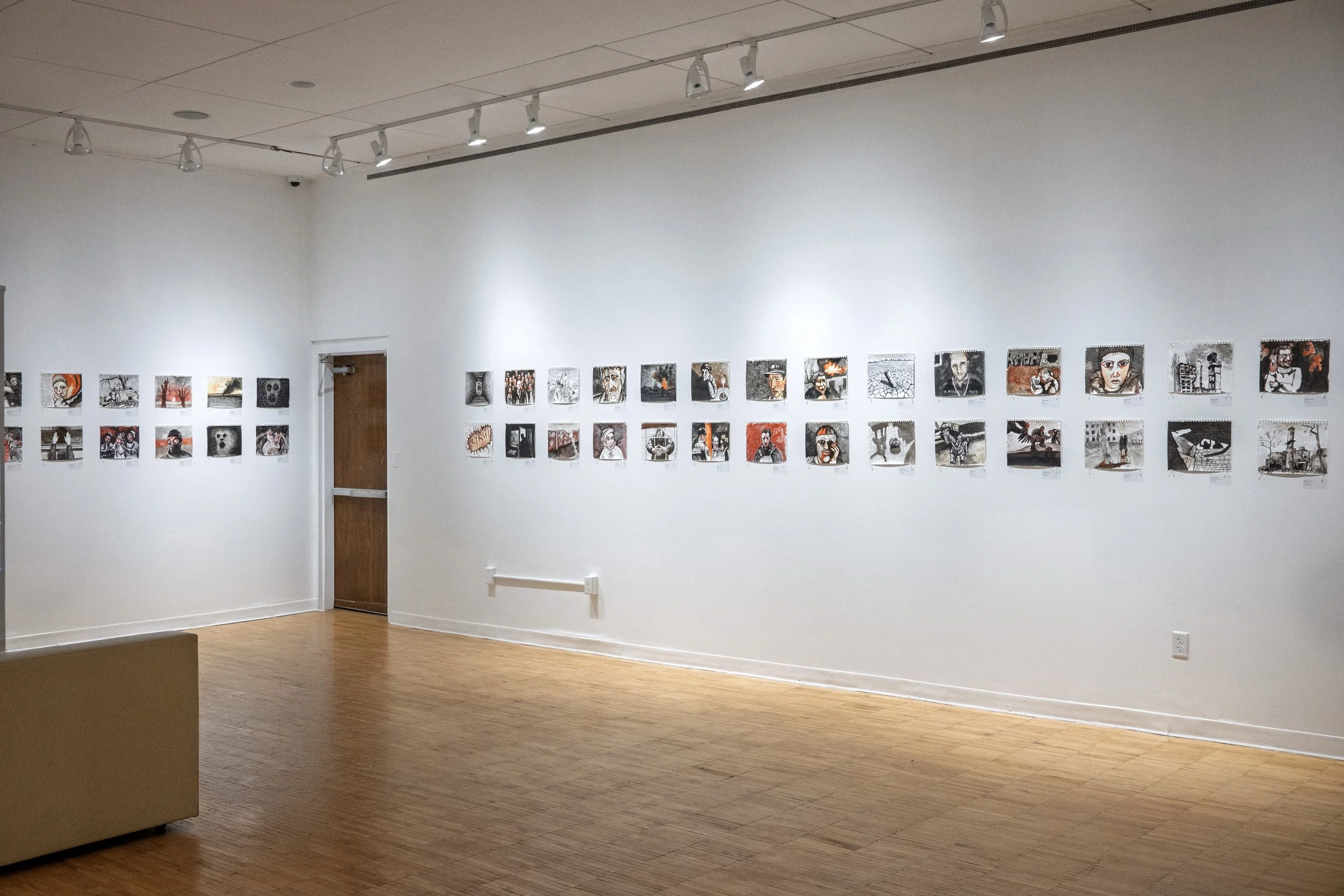
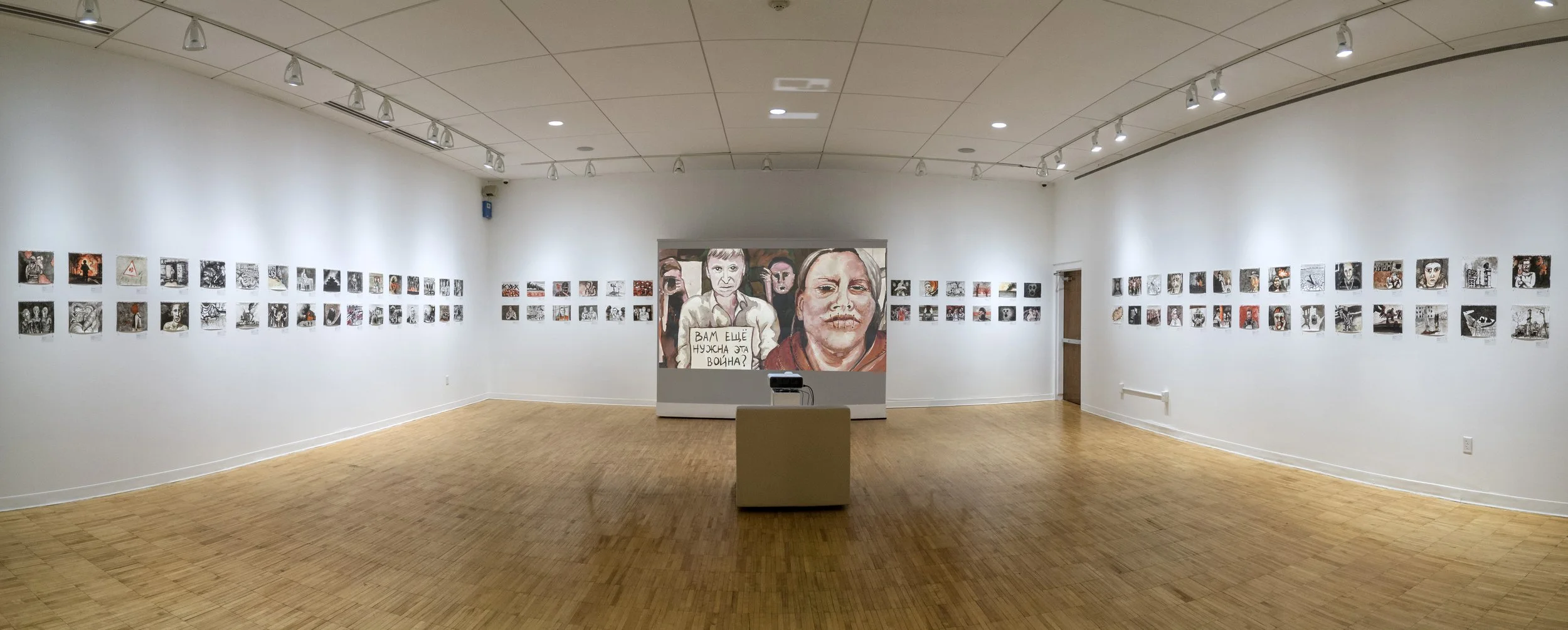
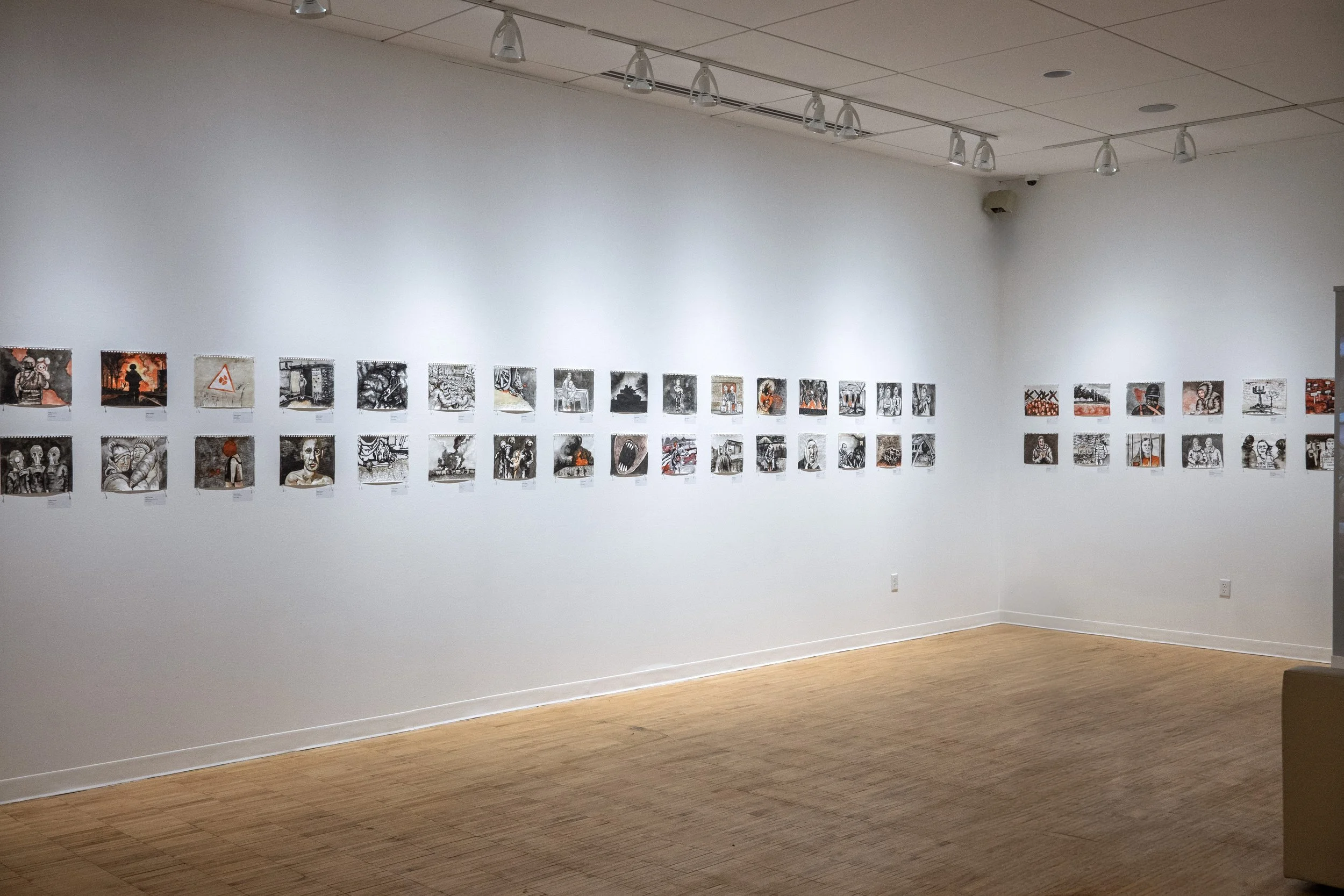
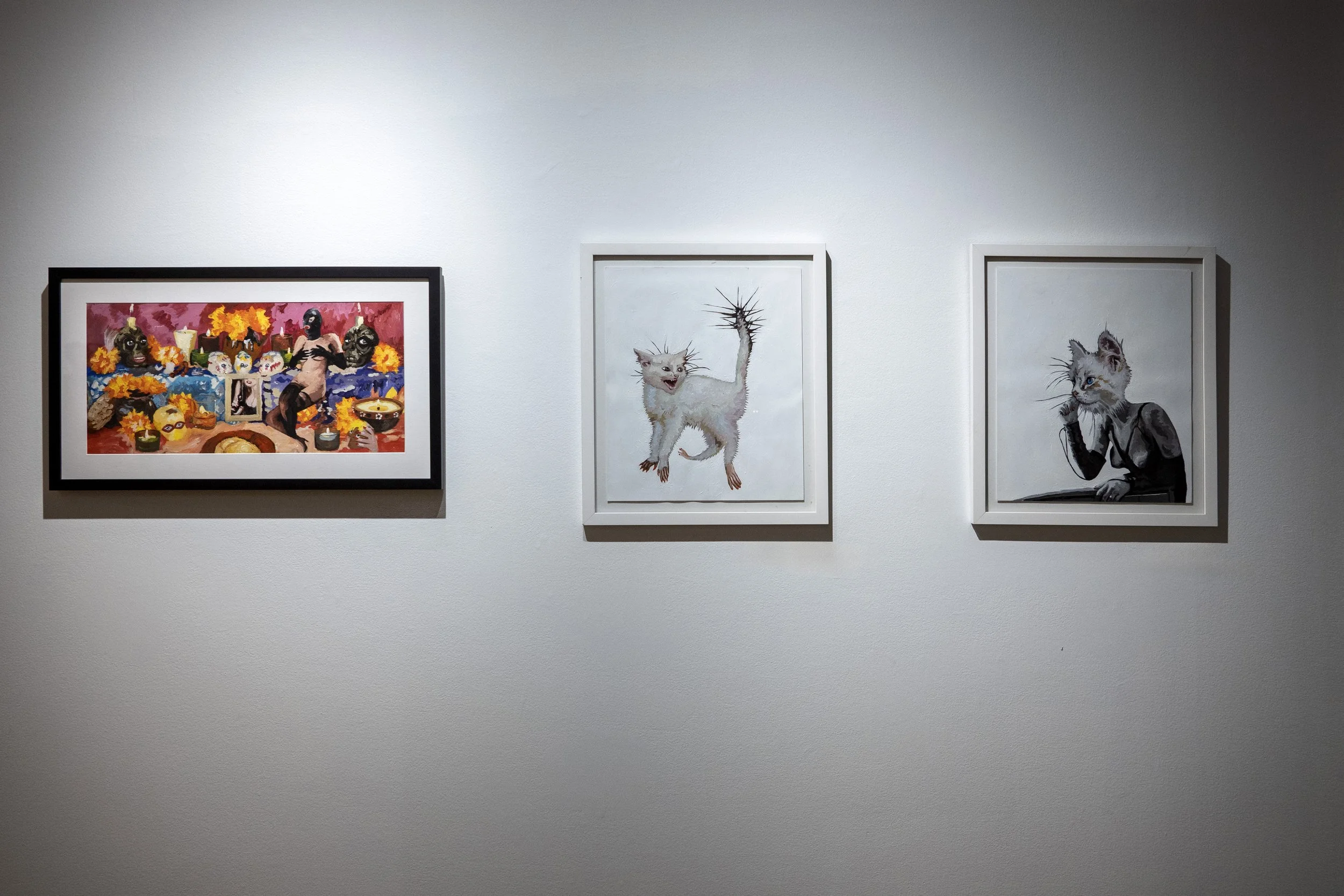
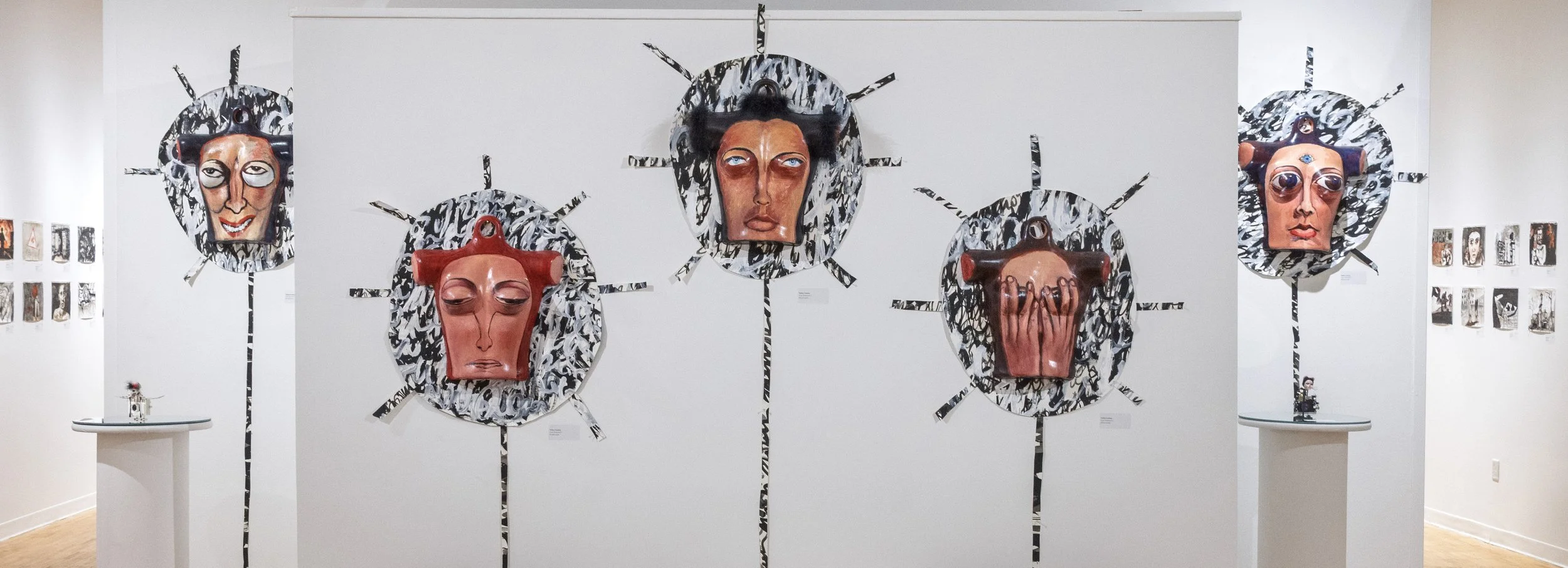
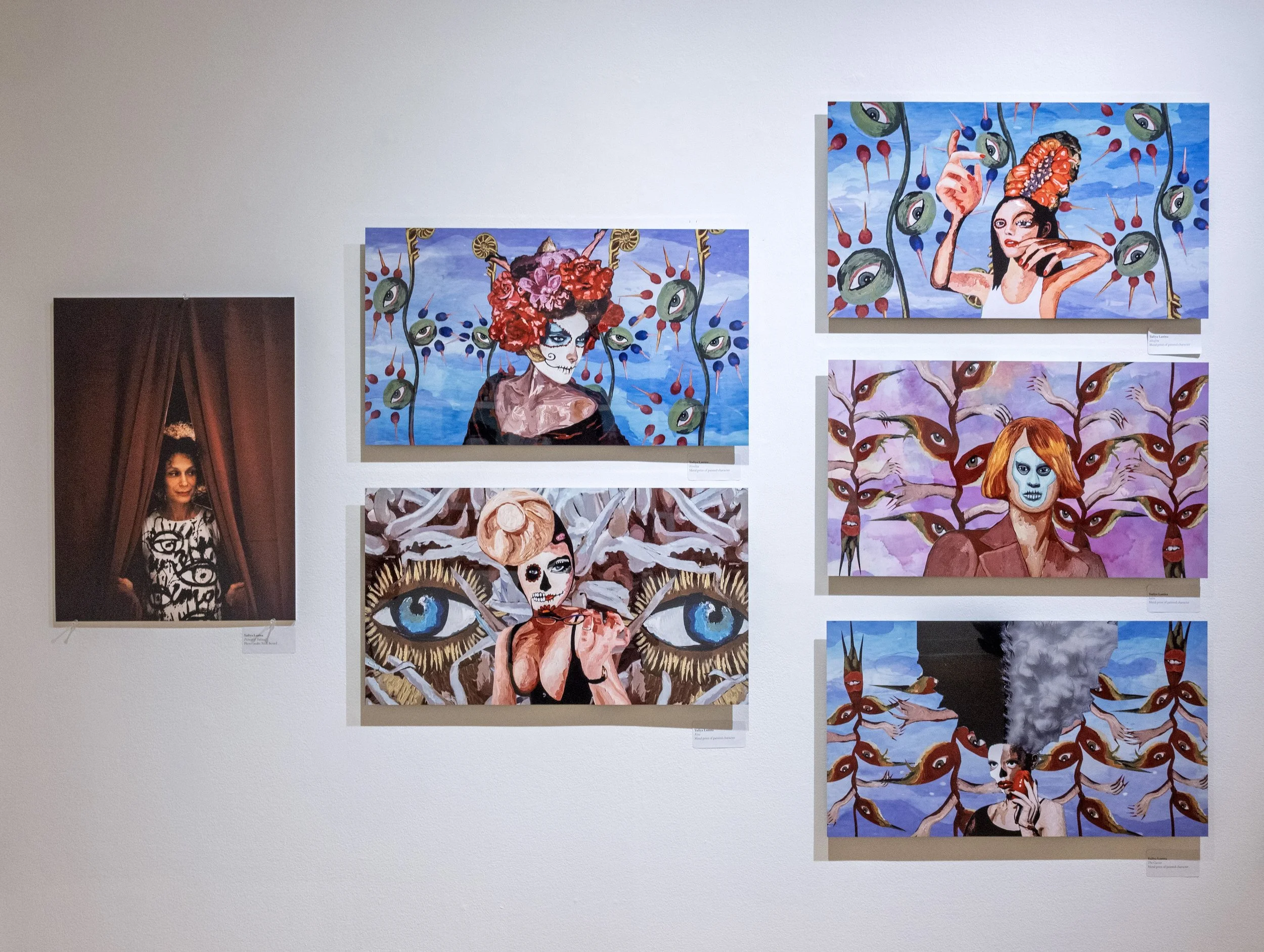
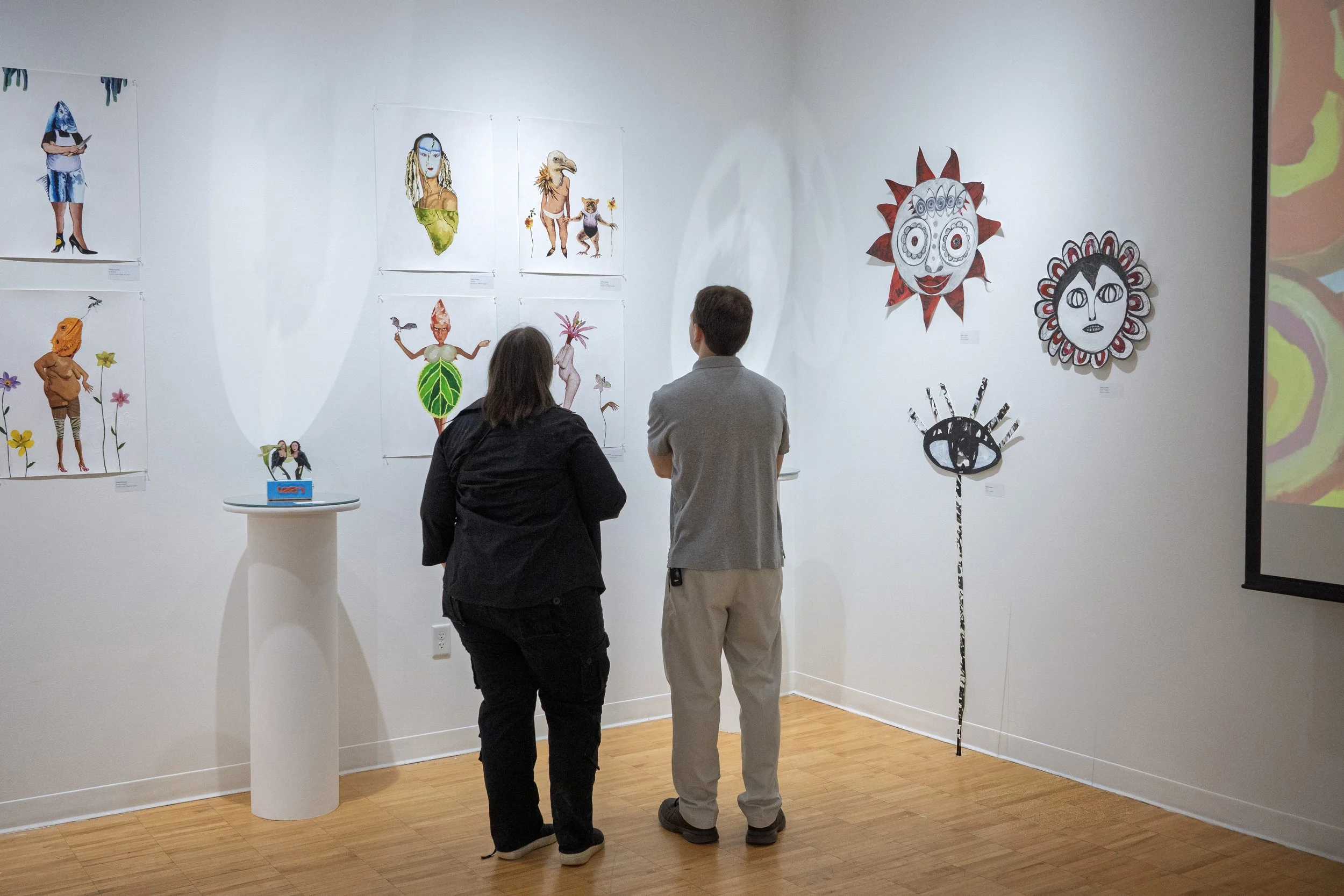
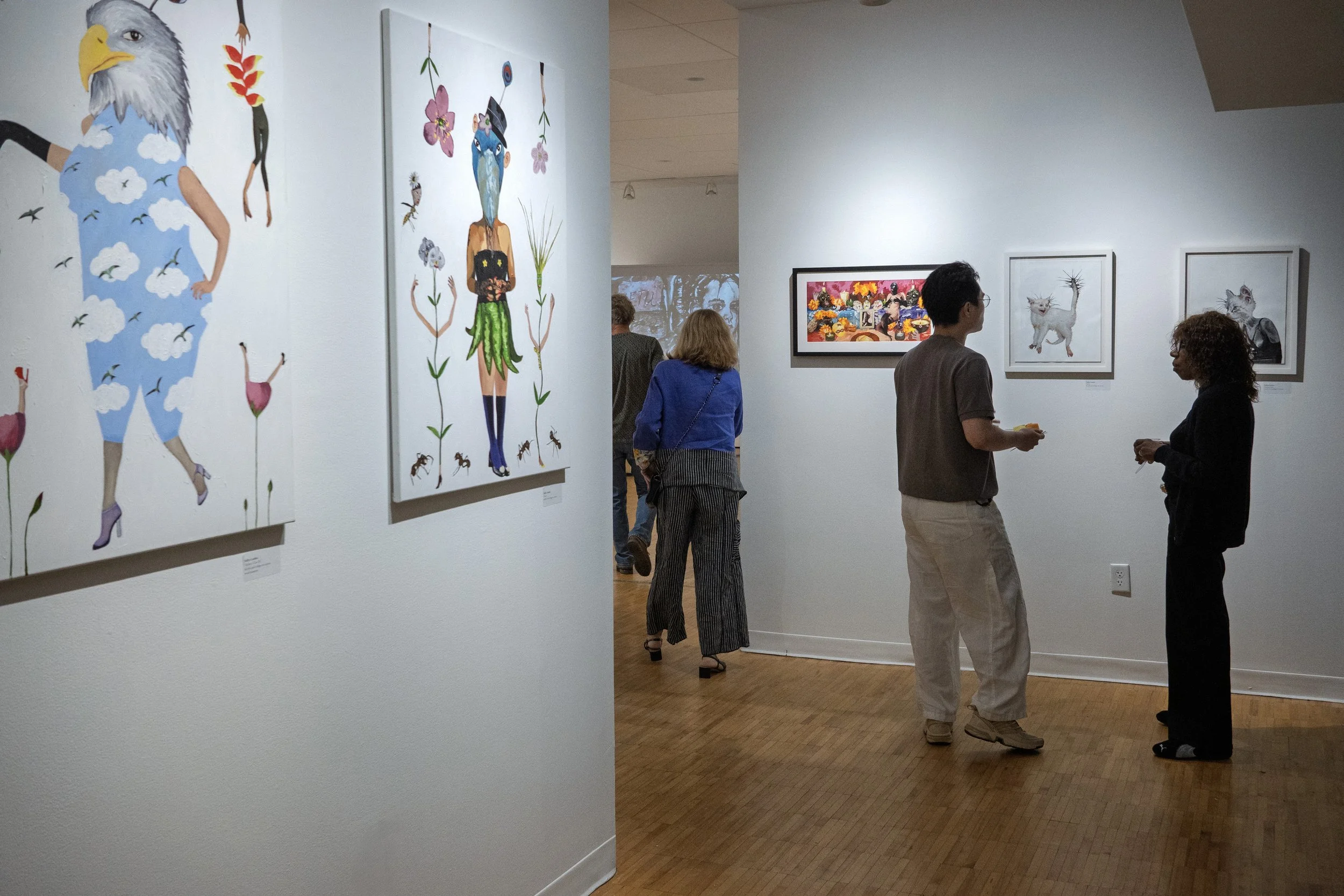
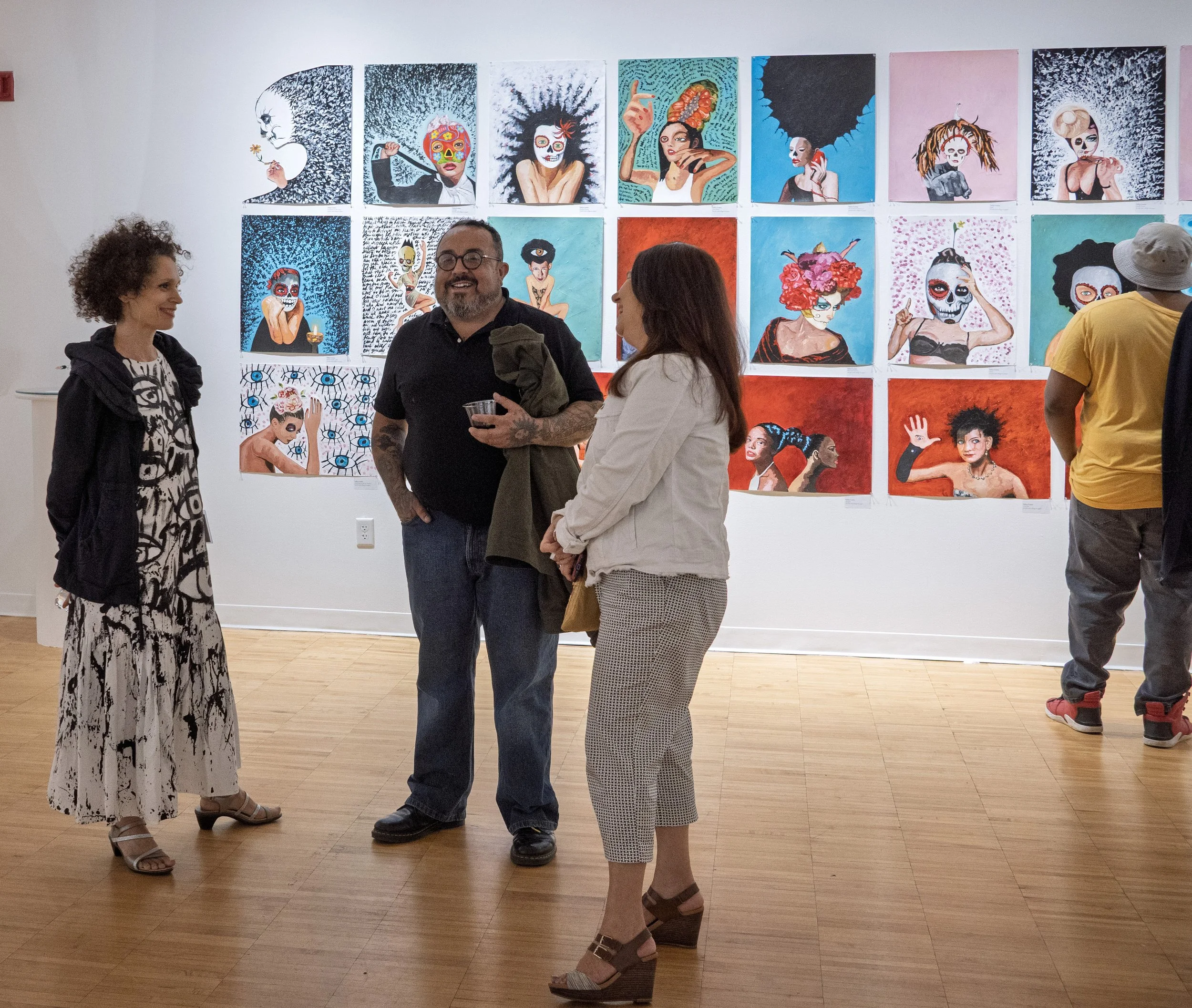
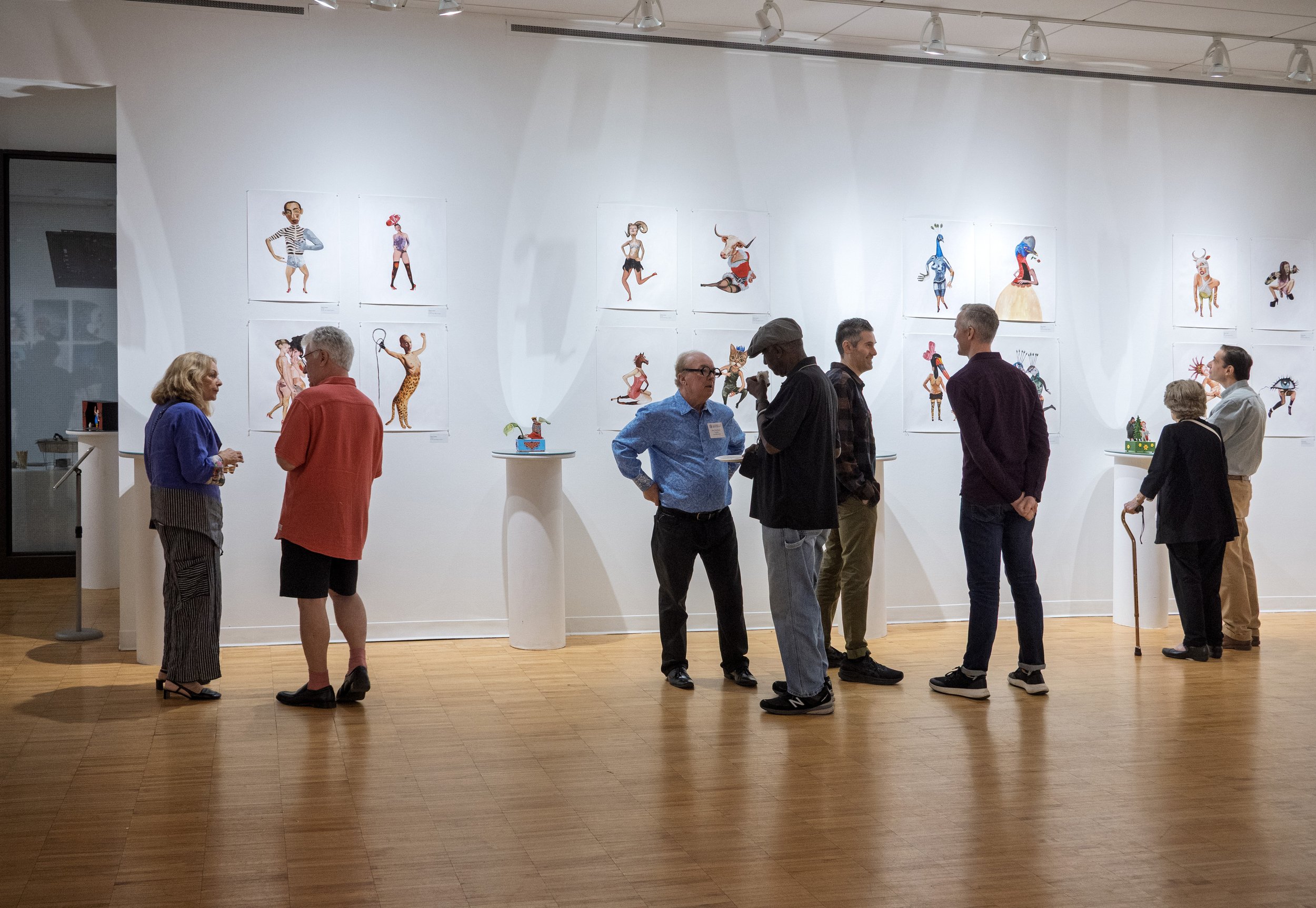
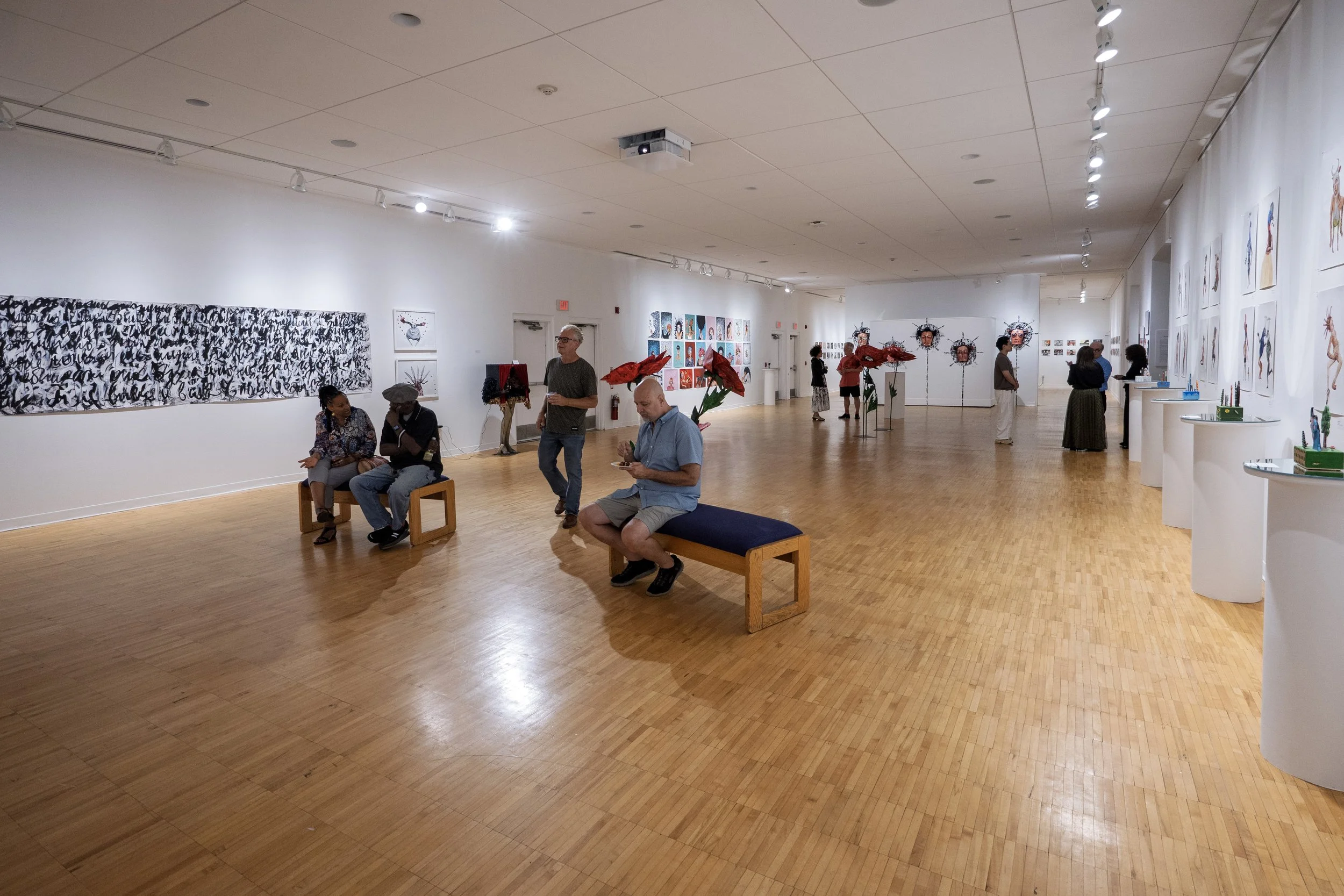
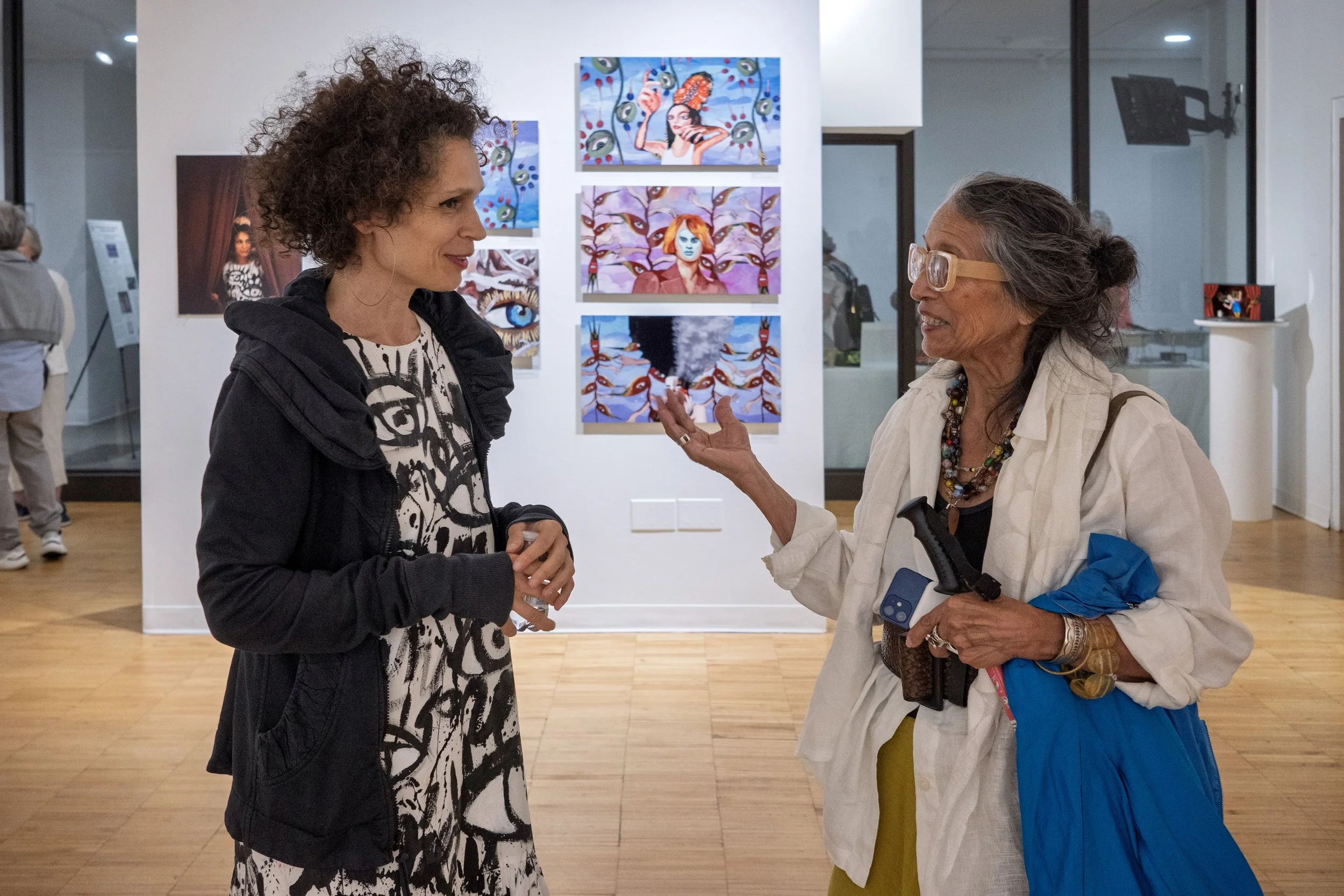
Invisible Souls brings together works created over several years of Yuliya Lanina’s practice, weaving personal and collective histories of displacement, war, family, memory, and survival. Through painting, drawing, animation, sculpture, artist books, and mechanical objects, the exhibition considers how experiences that may be invisible in the present continue to live within individuals, families, and communities.
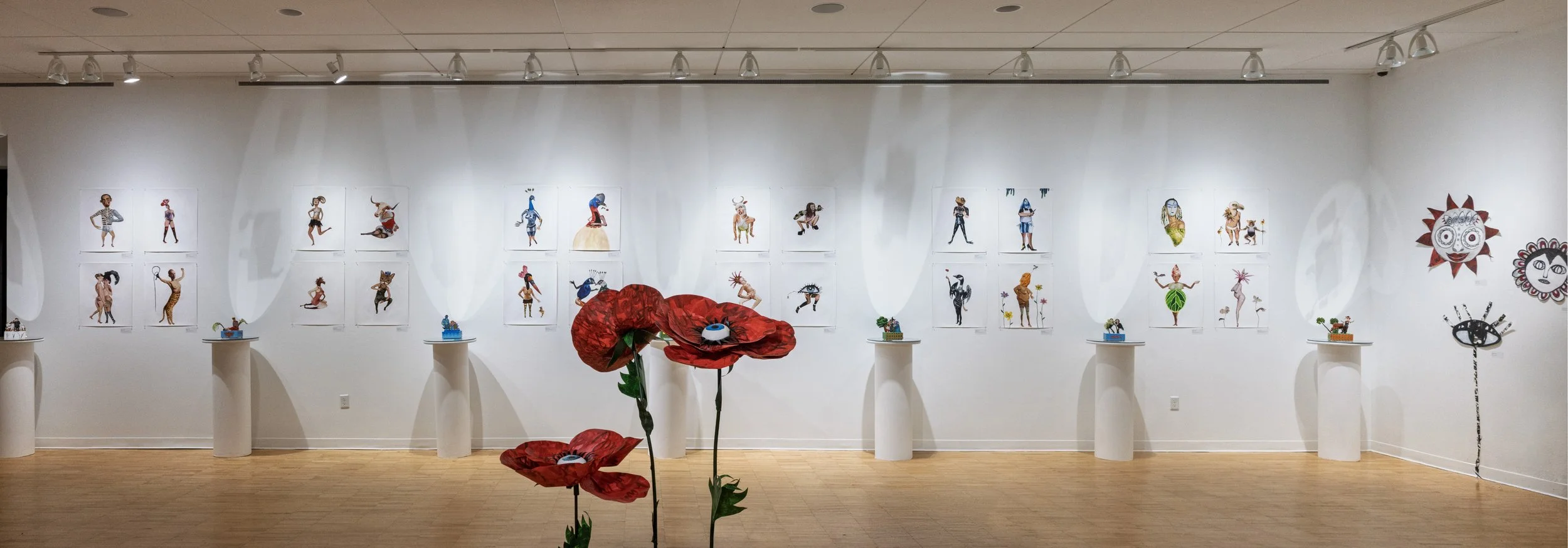
Lanina’s work often begins with personal experience but expands outward into broader histories. Born in Moscow to a family with Ukrainian, Russian, and Jewish roots and later immigrating to the United States, she draws on histories that cross national borders and generations. Her figures—human, animal, botanical, and hybrid—inhabit worlds in which tenderness and violence, humor and grief, beauty and unease exist side by side.
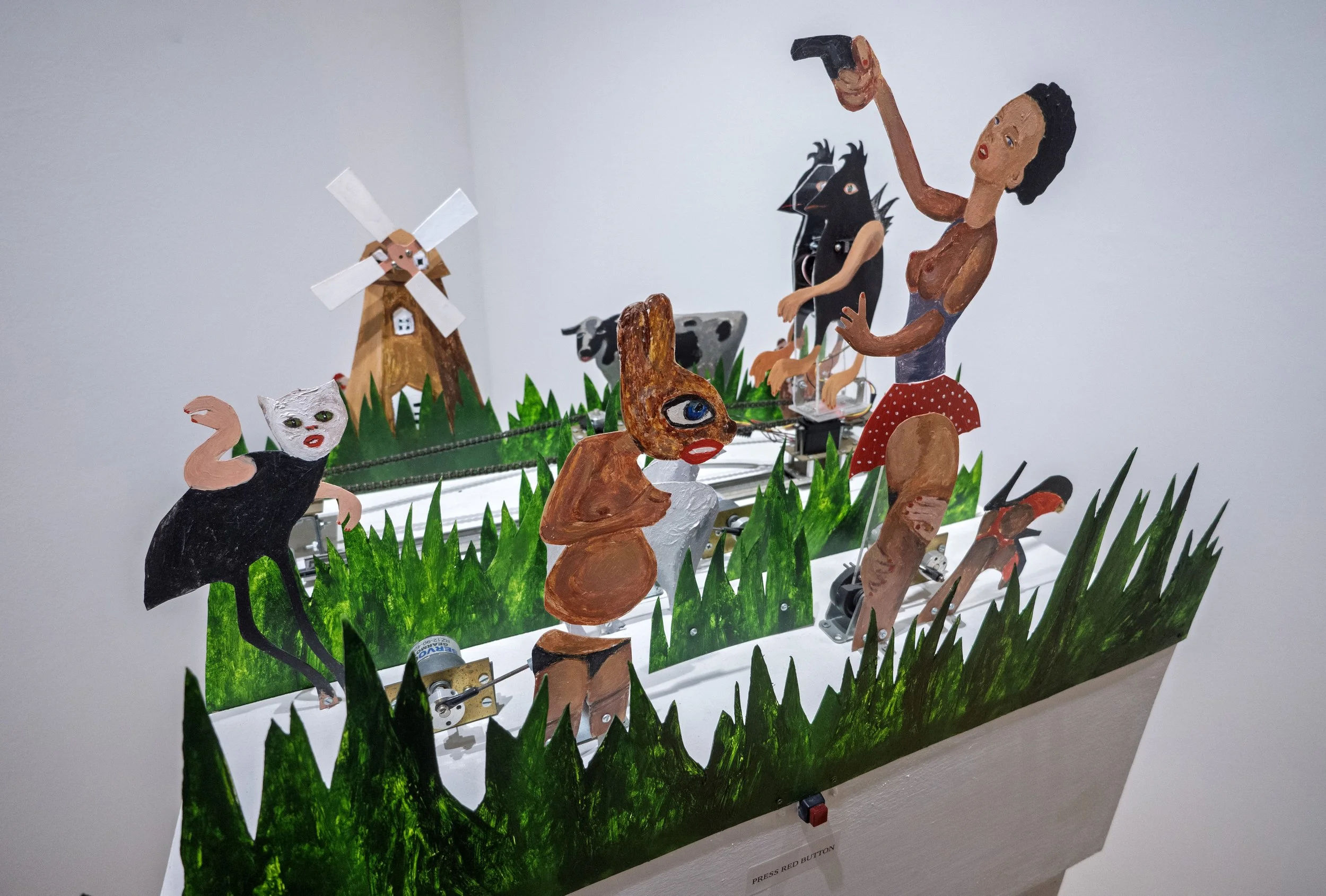
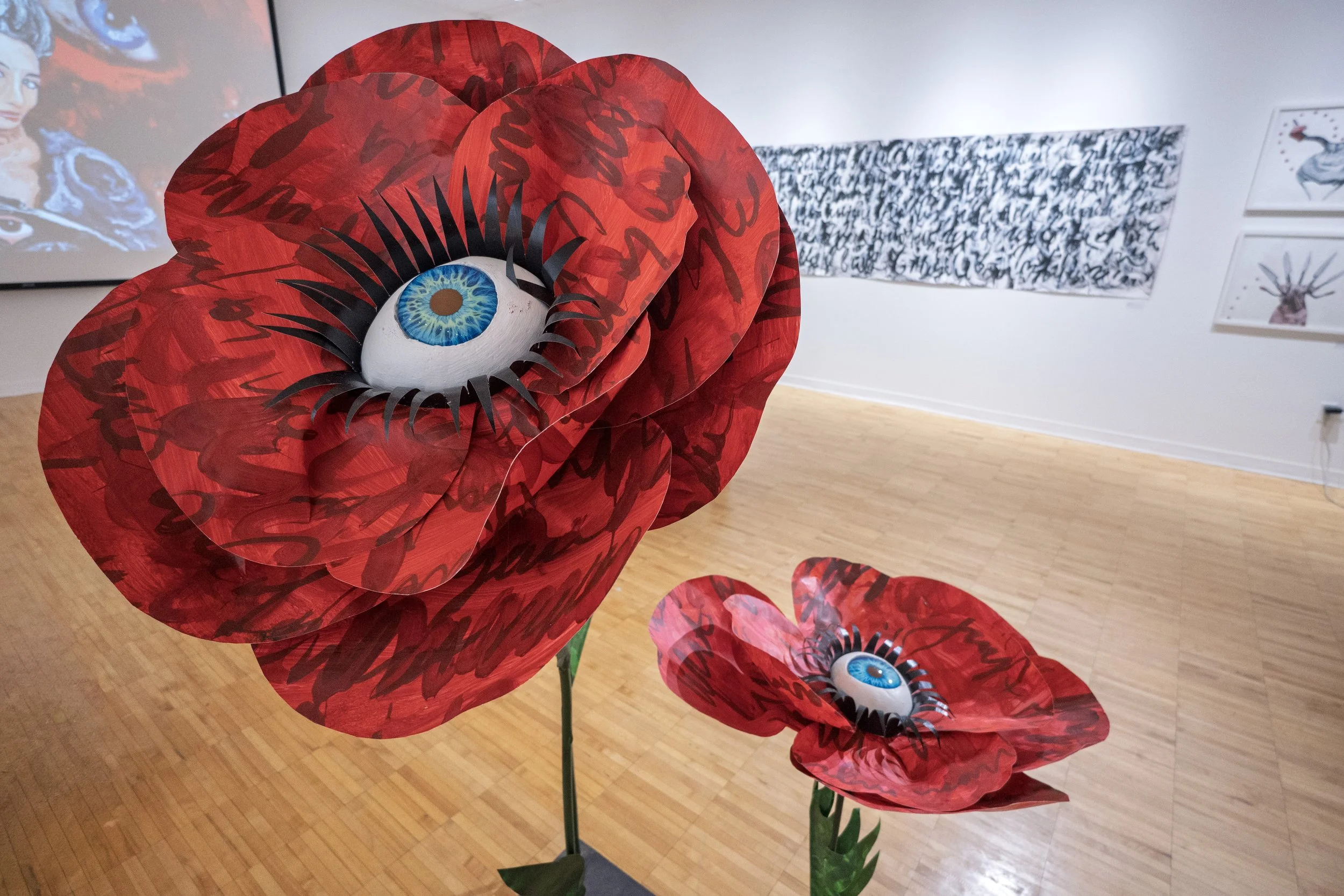
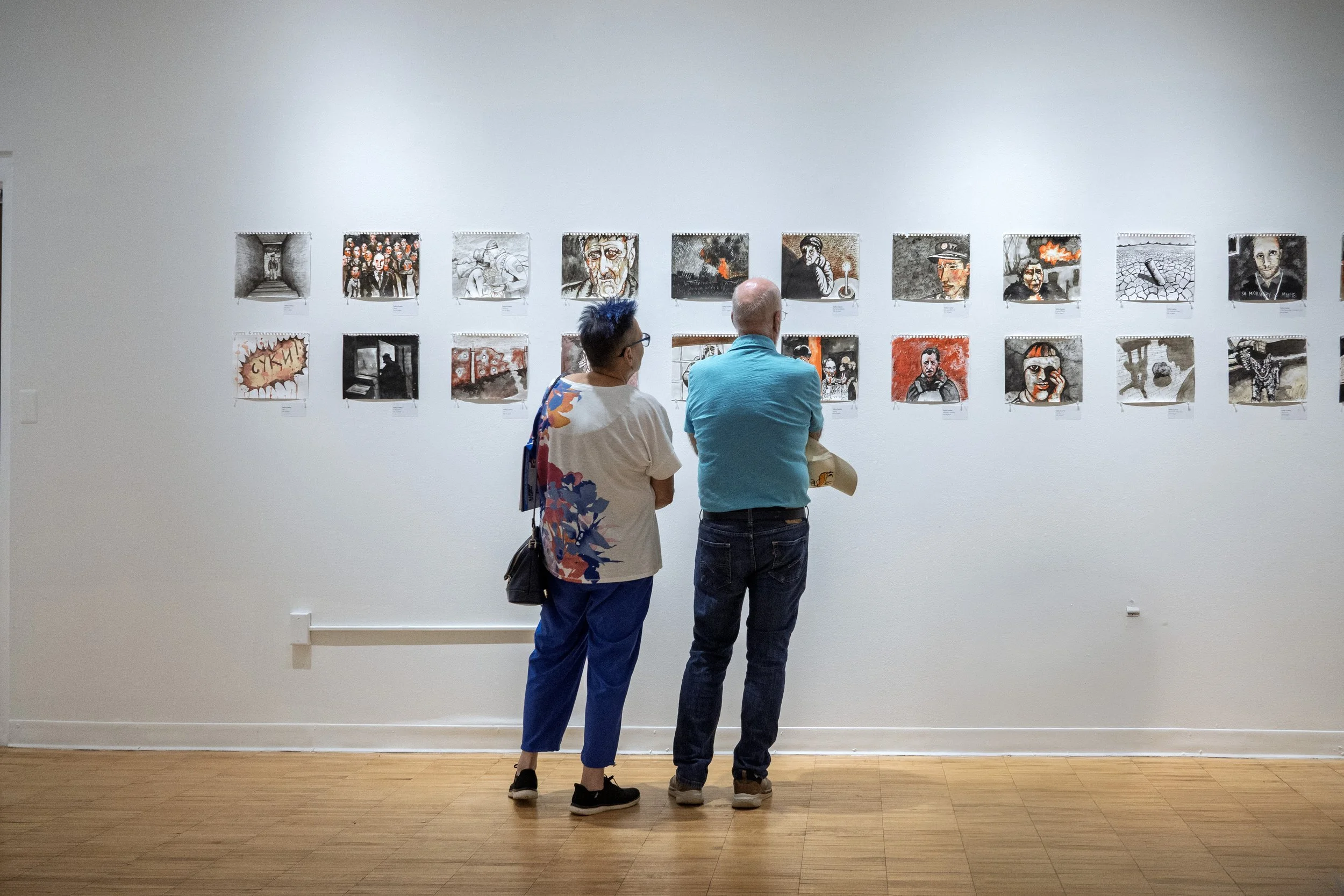
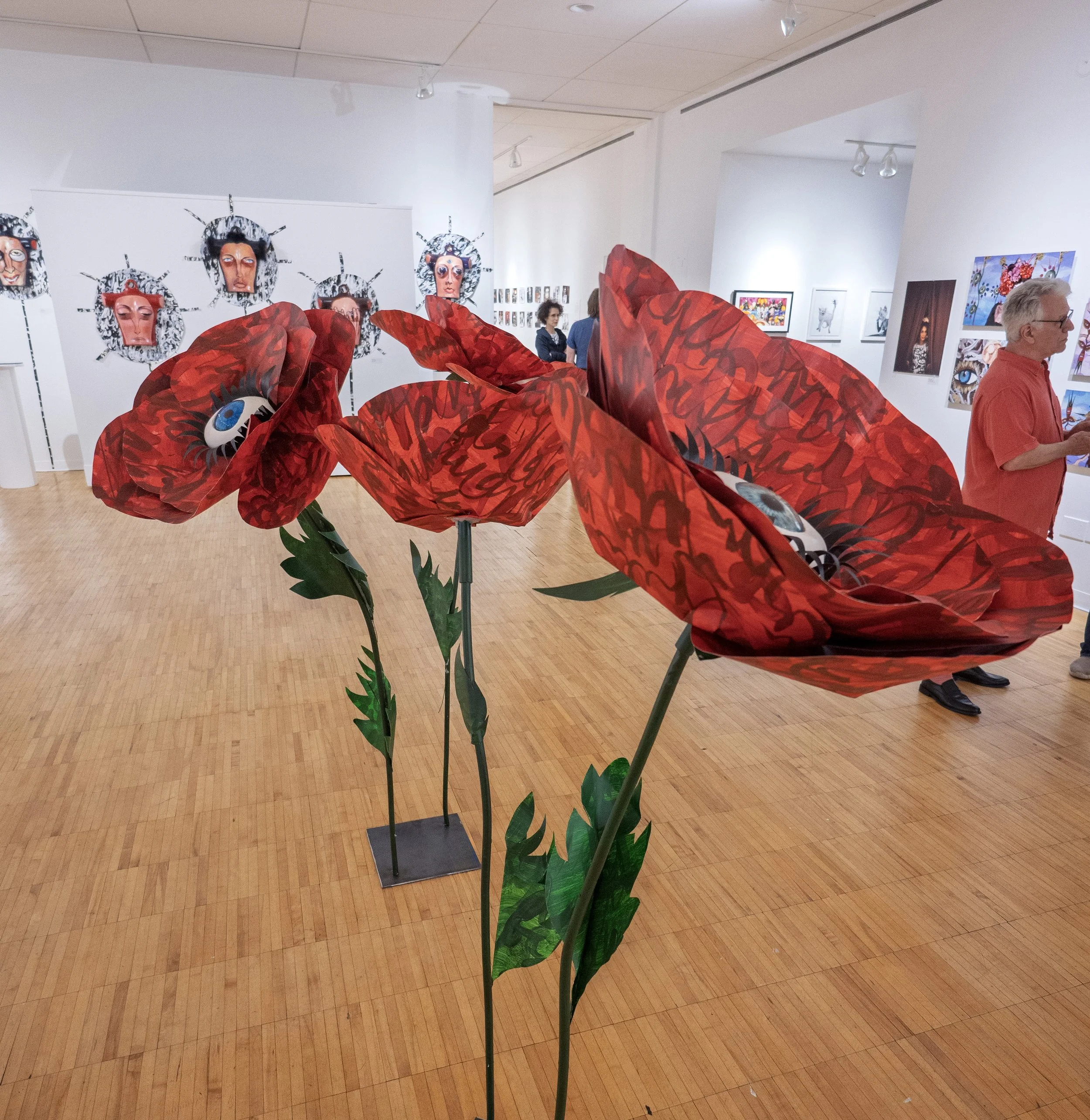
A central body of work in Invisible Souls is Mother/Land, created in response to Russia’s full-scale invasion of Ukraine. Lanina began the project during her 2023 International Artist-in-Residence program at Artpace in San Antonio. For months, she made ink drawings as a way of processing the unfolding war and her complicated relationship to the places, histories, and people connected to it. These drawings became the basis for an animated work and expanded into sculpture, artist books, and mechanical elements. One-eyed poppies recur throughout the work as witnesses—fragile living forms that evoke memory, loss, and persistence.
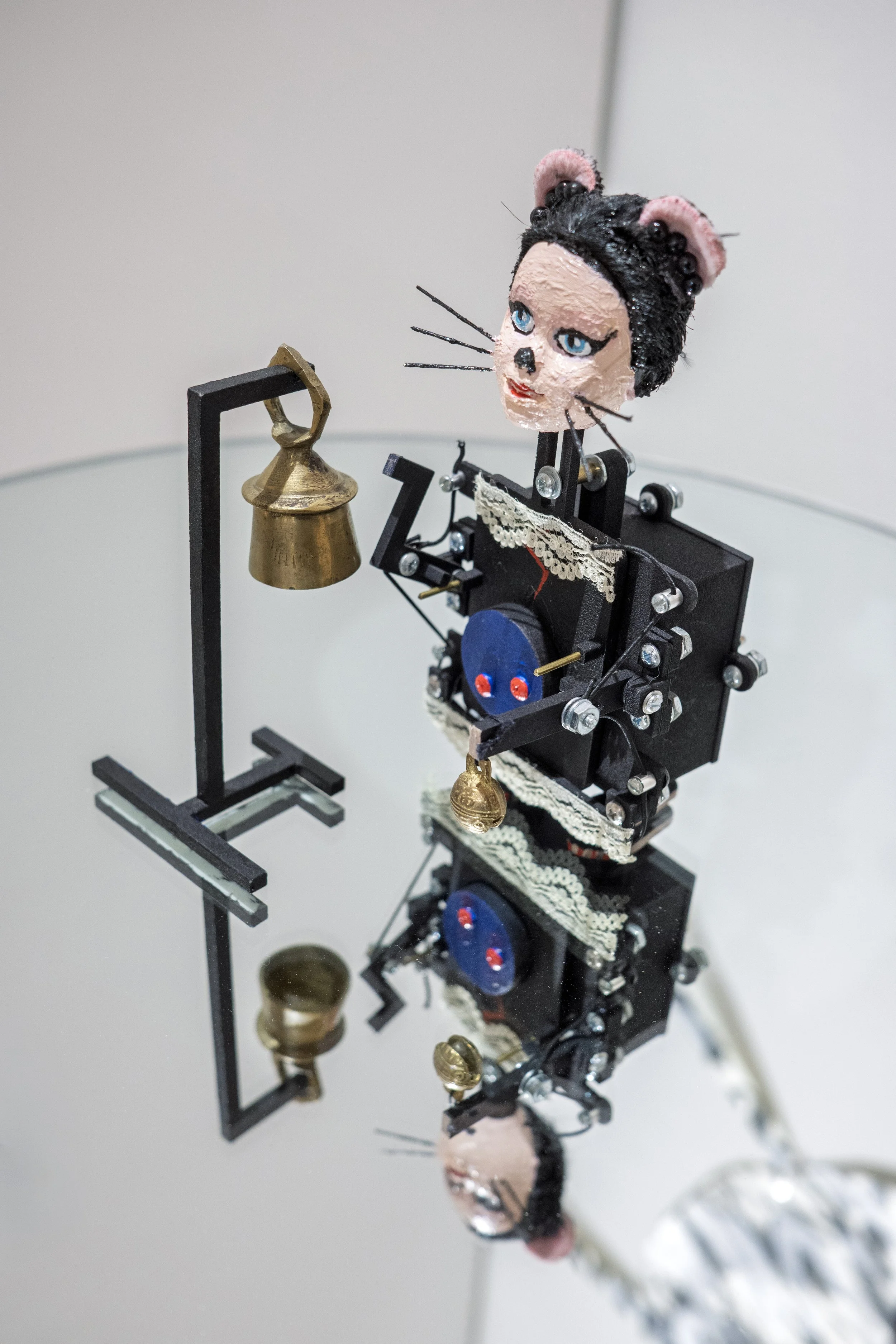
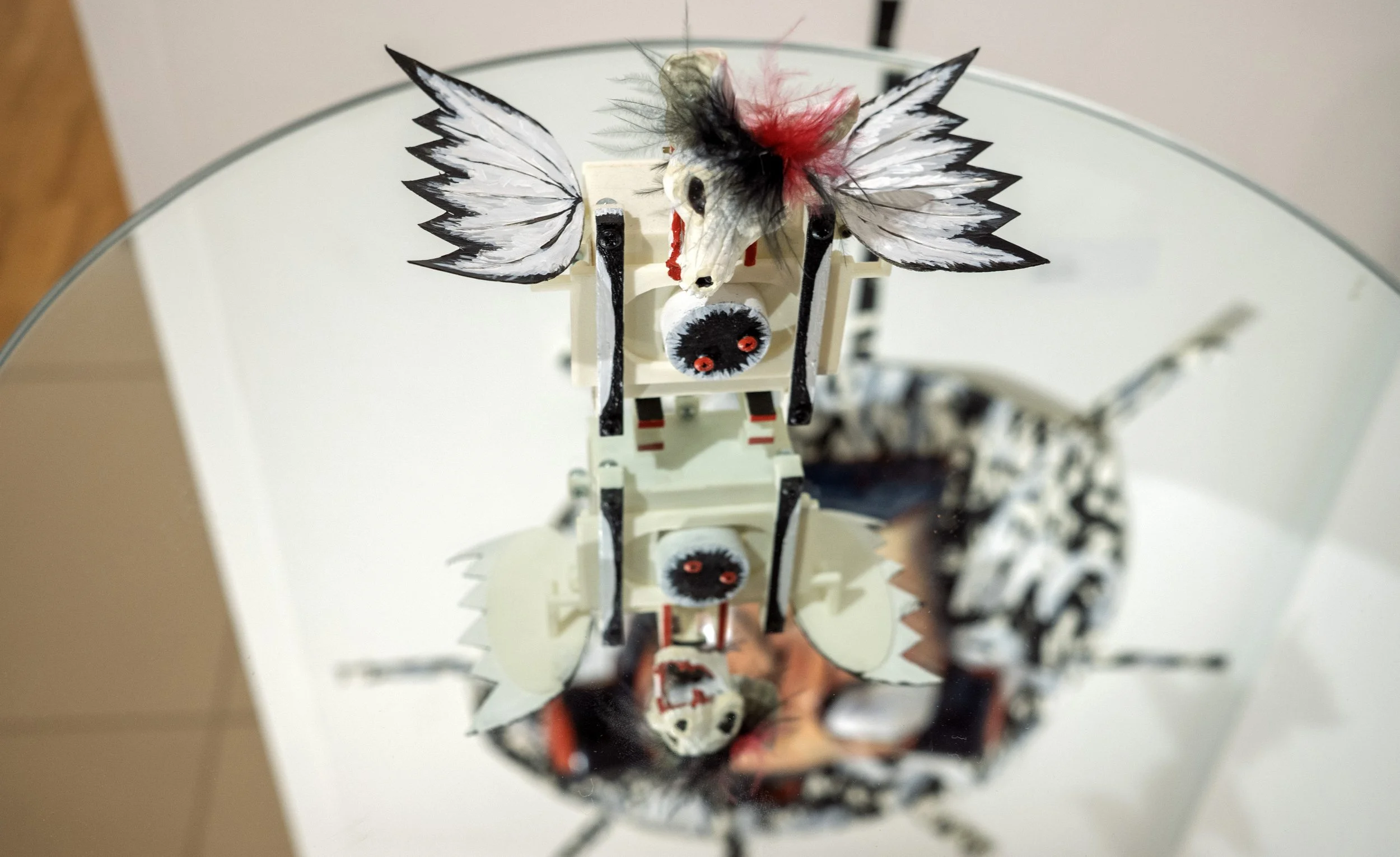
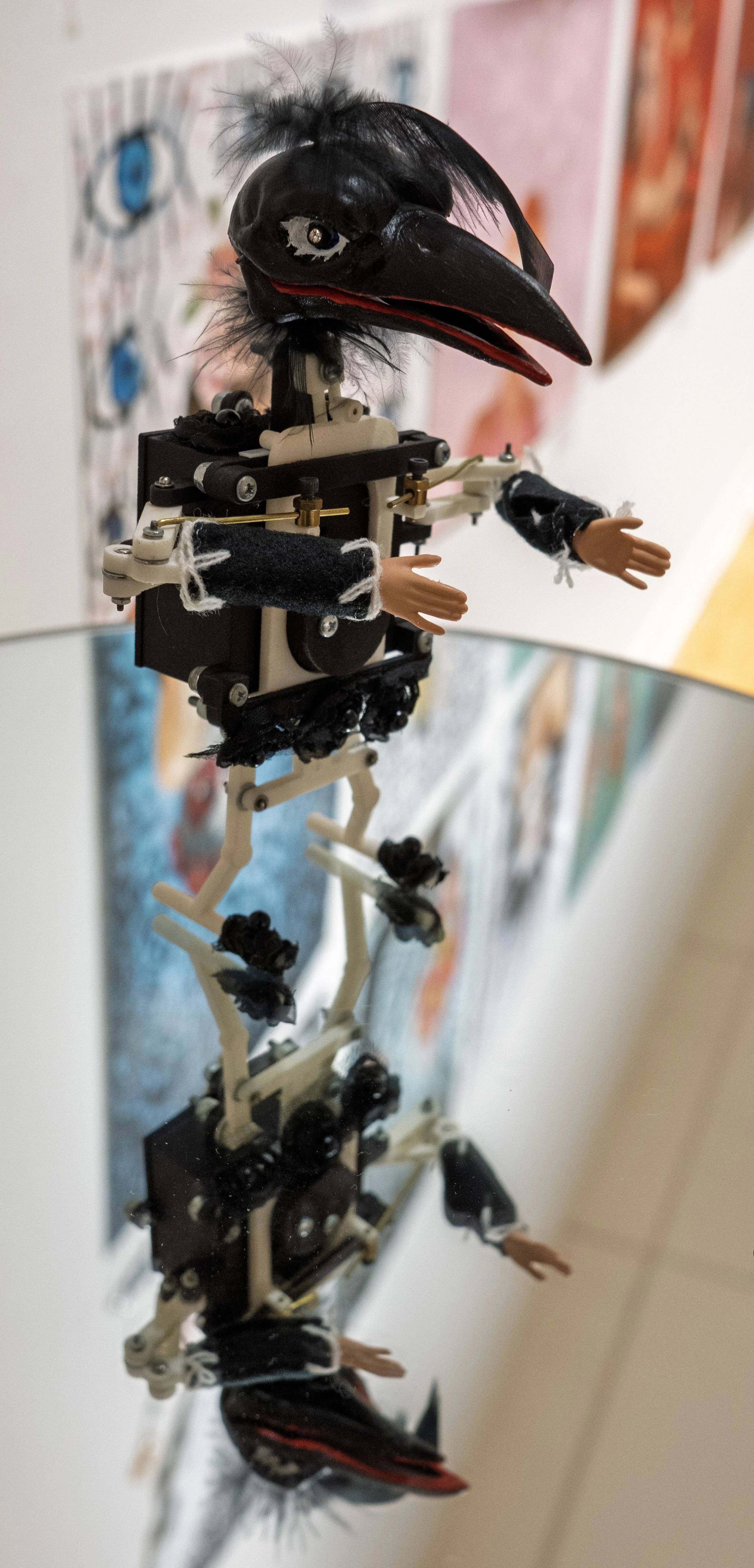
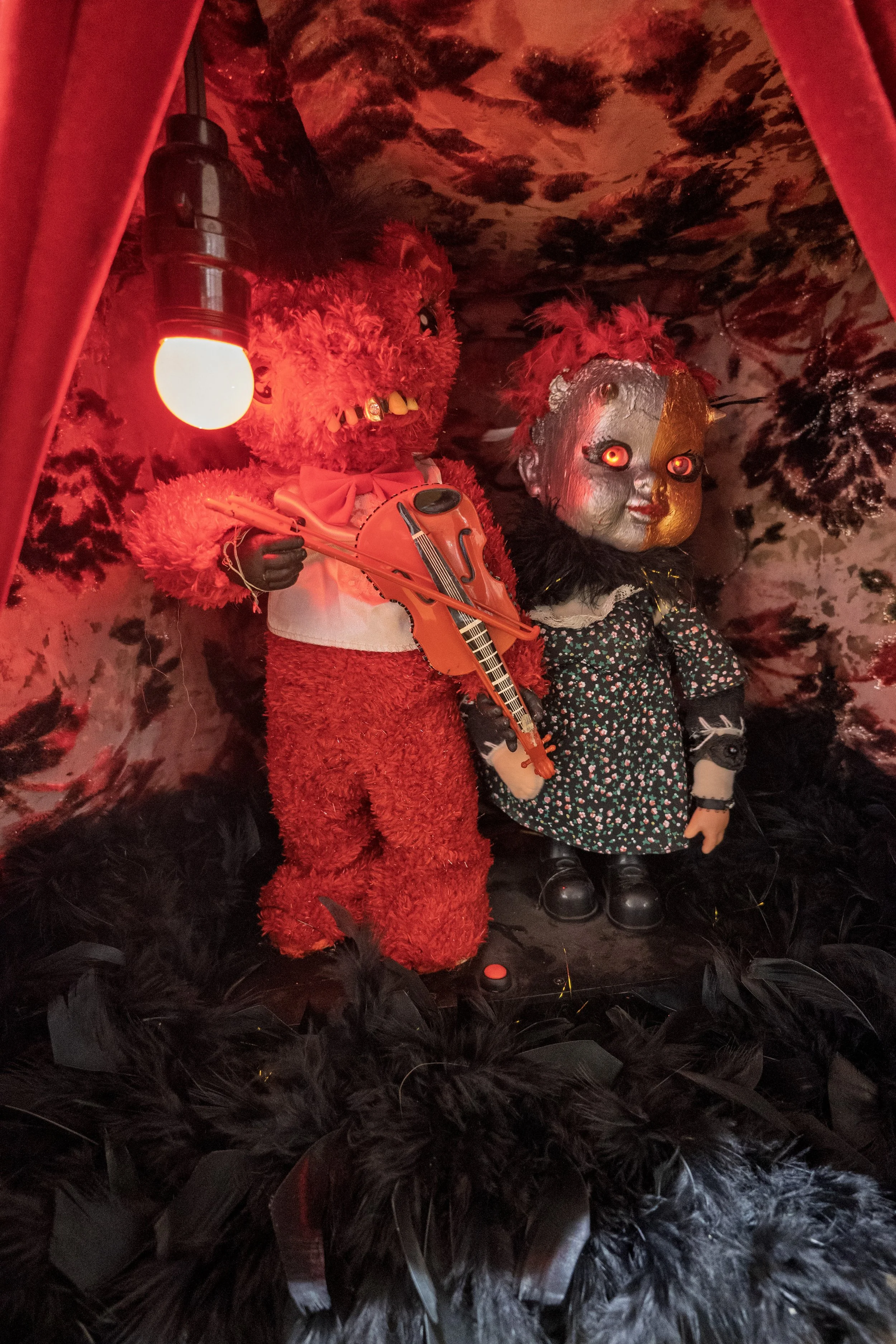
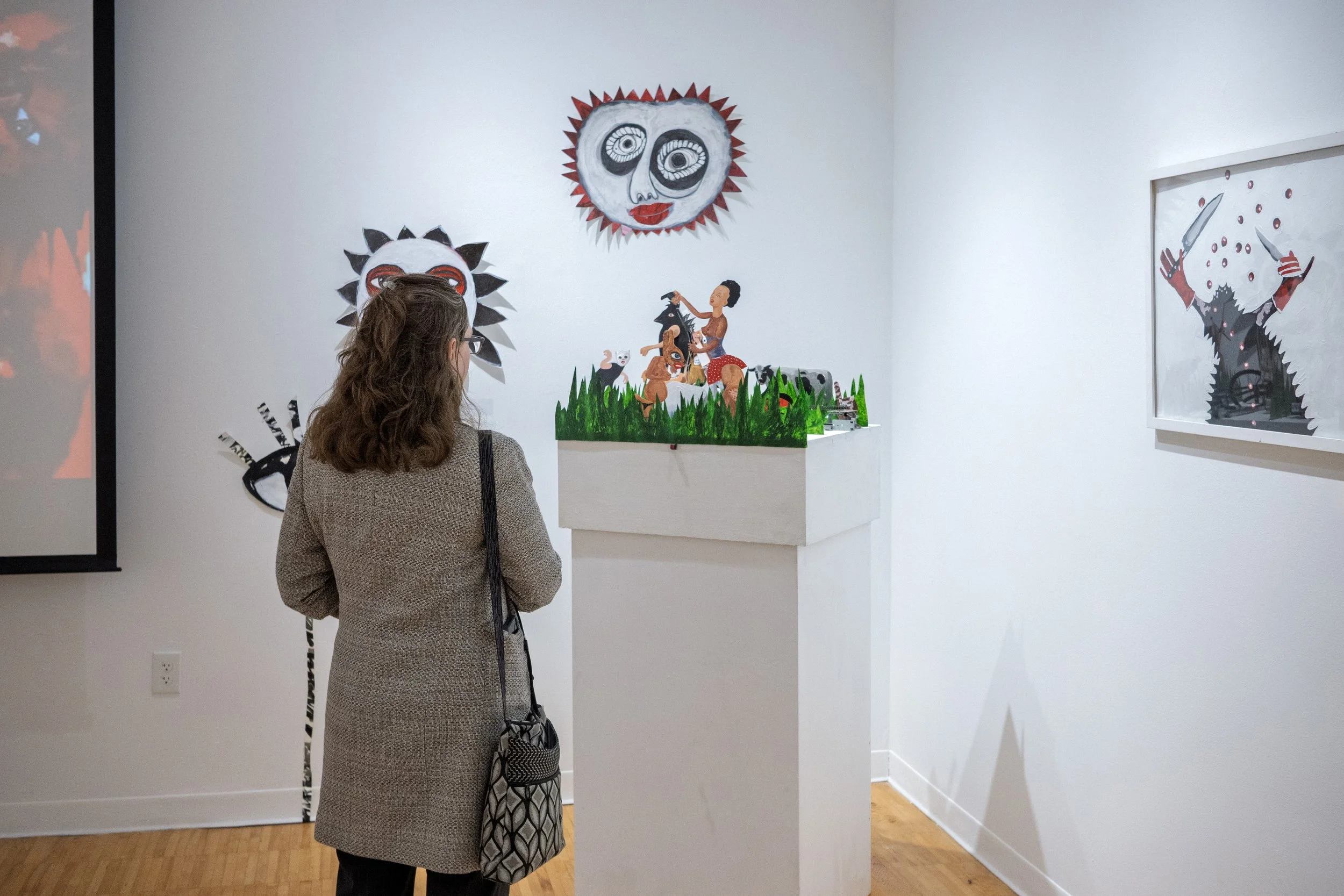
Throughout Invisible Souls, Lanina uses animation and mechanical movement to give seemingly inanimate things a presence of their own. Eyes open and close. Figures move. Objects perform small, repetitive gestures. These actions can be playful, unsettling, or unexpectedly tender, suggesting lives and histories continuing beneath the surface.
The title Invisible Souls speaks to these unseen presences: people and histories that have been lost, displaced, forgotten, or pushed from view, as well as the parts of ourselves that remain hidden from others. Rather than offering a single narrative, the exhibition creates a space in which different times, places, and experiences coexist, asking how we carry the past and how imagination can give form to experiences that are difficult to articulate directly.
Photos by Fred Hatt